
 Welcome to Hitch-N-Ride
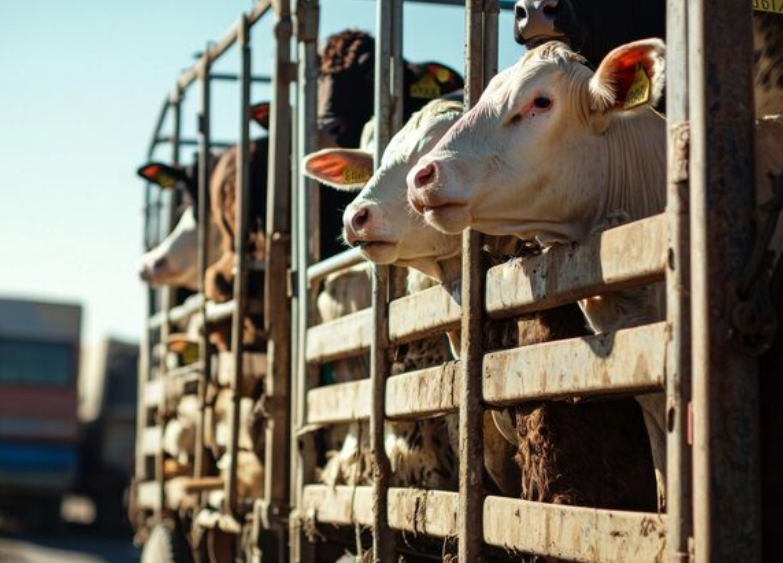
Transporting livestock requires careful planning to ensure the safety and well-being of animals during transit. Whether you are moving cattle, sheep, or poultry, following best practices can prevent stress, injuries, and financial loss. Here are five essential tips every livestock owner and transporter should know:
-
Choose a Reliable Transporter
Always verify that the transporter is licensed, insured, and experienced in livestock hauling. Check their vehicle condition, animal handling procedures, and references to ensure safe transport. -
Prepare Animals for Transport
Feed animals lightly before the journey and ensure they are hydrated. Healthy animals are less likely to experience stress or injury during transport. -
Use Proper Equipment and Vehicles
Ensure that trailers or trucks have proper ventilation, non-slip flooring, and adequate space. Separate different species if necessary to prevent aggression or injury. -
Plan the Route Carefully
Avoid rough roads and long periods without rest. Plan stops for water and feed if the journey exceeds a few hours. Consider weather conditions and traffic when scheduling the trip. -
Monitor During Transit
Check animals periodically for signs of distress. Keep records of their condition and report any issues immediately to maintain accountability and compliance with regulations.
By following these tips, you can make livestock transport safer and more efficient. Remember, responsible handling benefits both the animals and your business reputation.